
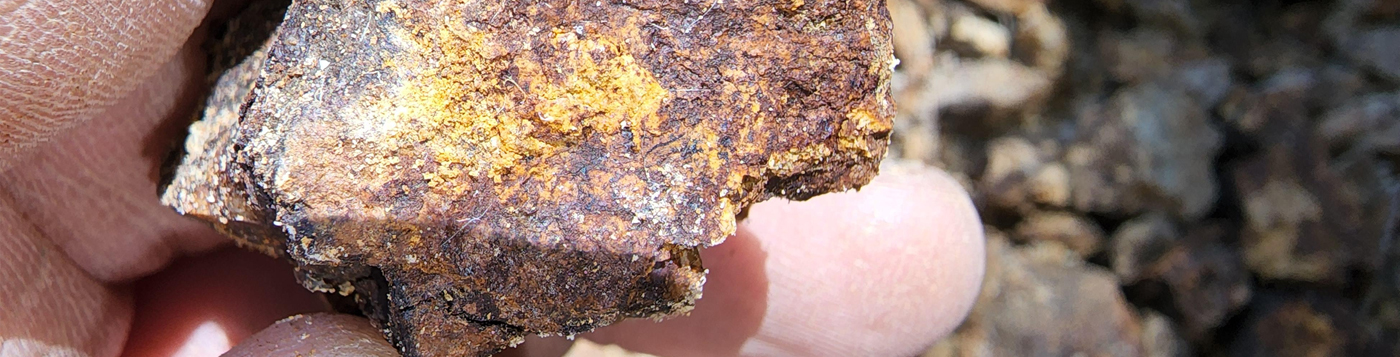
Gold ore processing analysis
After gold ore is extracted from the mining area, it first enters the crushing process: the raw ore is coarsely crushed by a jaw crusher, breaking large pieces of ore into smaller particles. The crushed ore is then temporarily stored in a fine ore bin, and subsequently screened to send the ore that meets the particle size requirements to an impact crusher for medium crushing. The medium-crushed ore is then conveyed to a transfer bin, and then fed into a hydraulic cone crusher for fine crushing. The finely crushed product is screened by a vibrating screen, and qualified particles proceed to the next stage.

At this point, the grinding process begins: the undersized ore is fed into a grinding mill (such as a ball mill) to grind to a finer particle size, and the discharged slurry is treated and pumped into a hydrocyclone for classification. The qualified overflow slurry (fine particles) flows into the agitator for flotation. In a flotation machine, the slurry is thoroughly mixed with added flotation reagents and air is introduced. The target gold-bearing mineral (usually associated with sulfides) adheres to the air bubbles due to its hydrophobic surface, forming mineralized froth that floats to the surface and is scraped off by a scraper into the concentrate sluice (concentrate chute), producing gold concentrate.
This marks the completion of the initial processing stage of ore crushing-grinding-flotation enrichment. The obtained gold concentrate needs to undergo subsequent processes such as leaching, recovery (e.g., cyanidation, adsorption/displacement), and refining to finally extract gold.